

A few months ago, I overheard the barista at my neighborhood café talking to a customer about Nintendo’s rerelease of the original Pokémon games.
He was excited, saying that everyone seemed to be hooked on it right now.
And I was hooked by that particular interaction because, first, I love watching people share their obsessions. Second, it made me think that on the surface, nothing about the product was particularly new. Nintendo wasn’t introducing a new world, a new mechanic, or a new franchise. They were bringing back something people had already played decades ago.
So why does that work?
And maybe more importantly, why does it work for some products but not others?
At first, it’s tempting to think the answer is simple. Minimal work, maximum “remember this?” energy, hoping emotional memory does all the work.
If you already have the IP, the proven audience, and much of the original product, bringing it back is cheaper than building something new.
I think that’s partly true.
But the more interesting reason, for me, is that nostalgia can be such a high-ROI strategy because it collapses demand uncertainty, the hardest and most expensive problem in product.
You already know that millions of people paid for it once. They spent hundreds of hours with it. They even formed a kind of emotional relationship with it.
This is fundamentally different from a new product launch, because most products and features don’t even make it past the very first question:
Does anyone care?
Nostalgia gives you a prior.
When Nintendo rereleases Pokémon, they aren’t guessing whether people care about Pokémon.
They already know that millions of people have already paid for it once, spent hundreds of hours with it, and formed an emotional relationship with it.
That’s incredibly valuable information. It gives them the luxury of starting with evidence rather than assumptions and reduces the amount of discovery required.
But there’s a distinction.
Nostalgia can give you a prior on a past version of demand, which is not always reflected in current demand in the same way. That distinction explains why some nostalgia products succeed while others fail.
The common mistake is assuming that because people loved something once, they’ll love it again. Those aren’t the same thing.
The original Pokémon games weren’t beloved only because they were part of people’s childhoods. Nostalgia may bring people back, but the core experience is why they stay.
When nostalgia is for the feeling, not the thing
Sometimes people aren’t nostalgic for the product. They’re nostalgic for the moment, and that’s a much harder thing to revive.
People often say they want the old thing back, but what they actually want is the feeling the old thing gave them.
Those feelings are tied to context.
The game wasn’t just a game. It was summer vacation. It was being ten years old. It was discovering something for the first time.
No rerelease can bring those things back.
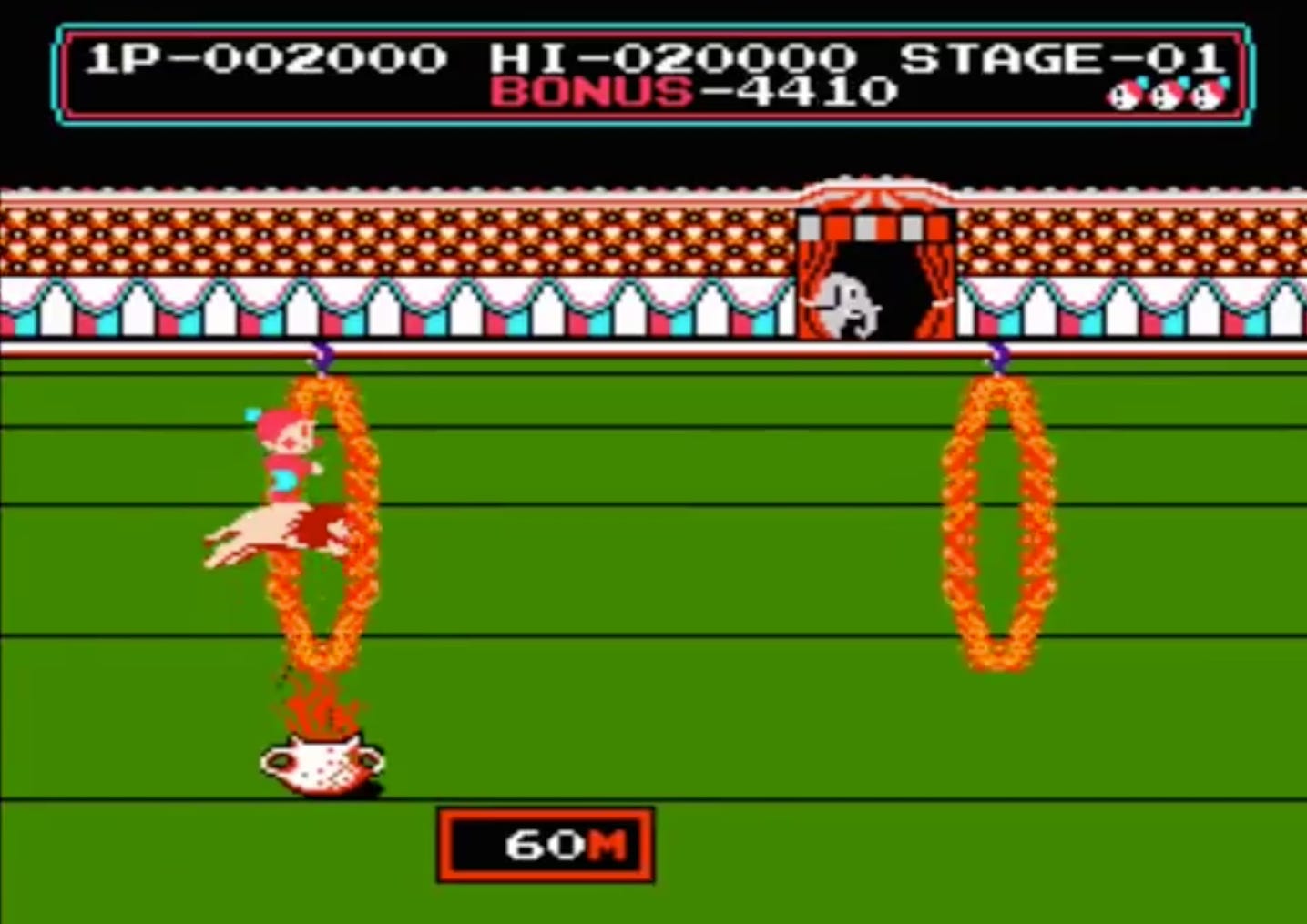
So if you misidentify what customers are attached to, you’re likely to revive only the artifact when the attachment was actually to the experience surrounding it.
Atari assumed that nostalgia for the brand would translate into demand for a modern Atari console. To be fair, the emotional memory was there. People remembered Atari as a foundational part of gaming history.
But remembering a brand and wanting to integrate it into your life again are very different things.
Yes, people knew exactly what Atari was, but the context had changed. The original Atari succeeded in a world where home gaming was new. The Atari VCS entered a world already dominated by Nintendo, PlayStation, Xbox, PC gaming, and mobile gaming.
People were nostalgic for what Atari represented, but that didn’t necessarily mean they wanted a new Atari device.
The question worth asking is, what did people actually love about this, and does that value still exist today?
Can you identify the specific characteristics that created the attachment?
Can you separate the product from the moment?
Can you tell whether people miss the thing itself or simply who they were when they experienced it?
Because even if nostalgia reduces demand uncertainty, those are ultimately the questions that determine whether the demand still exists.
Is this product good today, independent of the memory?
If the honest answer is no, nostalgia might delay the judgment. But it won’t prevent it.