

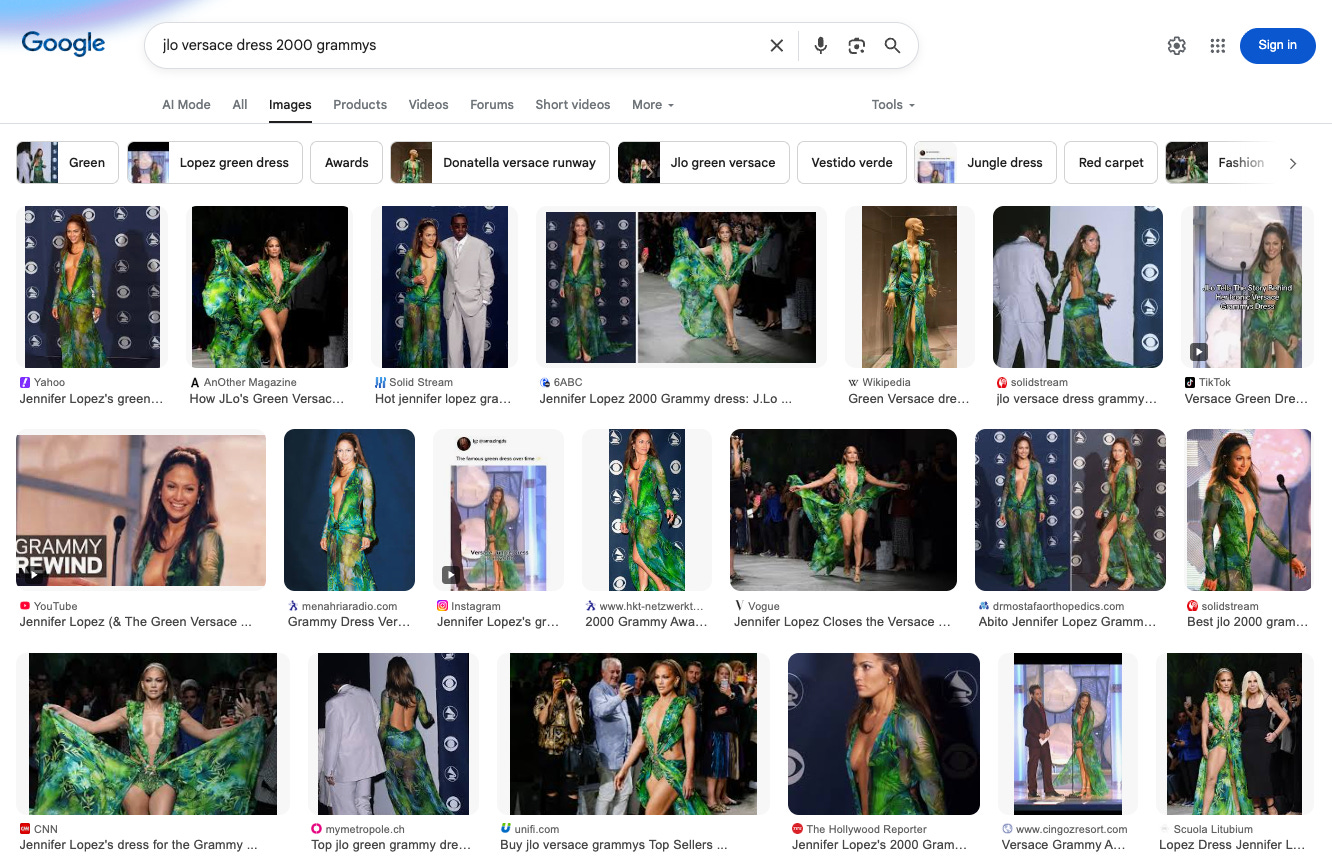
In February 2000, after the Grammy Awards, Google noticed an unusual spike in search traffic around one query: Jennifer Lopez’s green Versace dress.
People weren’t looking for articles about the night or critiques of what Jennifer Lopez wore.
They simply wanted to see the dress.
At the time, Google was barely two years old. When you searched for something, you would see a list of ranked blue links. It indexed text. Images were part of the web, but not yet part of the product experience.
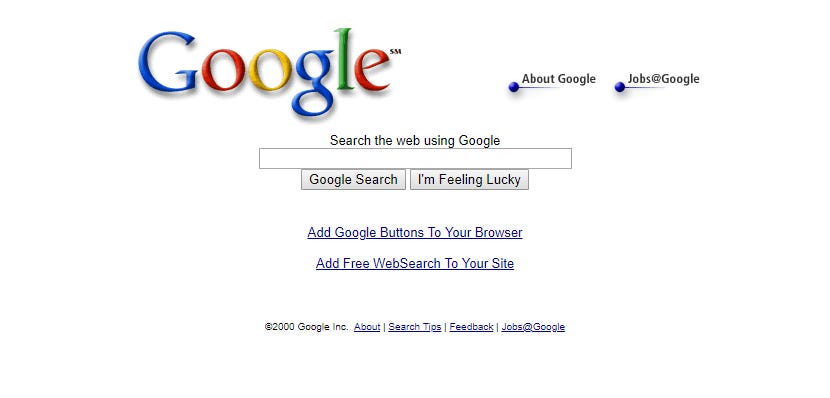
The demand was real, but the company was too small to act immediately. Infrastructure was still evolving. Engineering resources were limited. Building a separate image index meant storage costs, crawling complexity, ranking challenges, and real tradeoffs with other priorities.
In the summer of that year, a new graduate hire, Huican Zhu, teamed up with Susan Wojcicki, Google’s 16th employee, who would later become CEO of YouTube. With limited resources, they built and launched Google Image Search in July 2001.
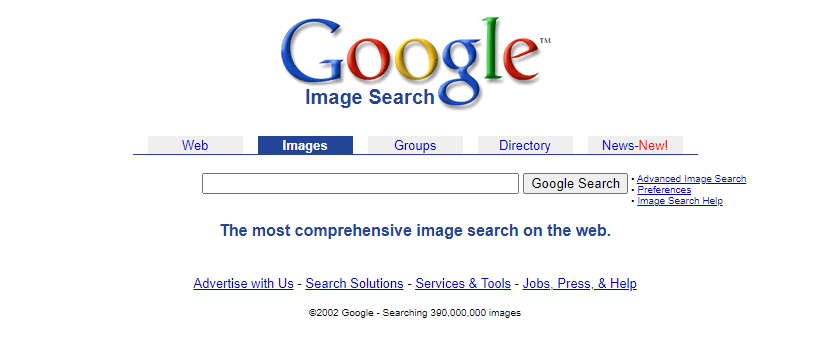
Building image search did not promise immediate impact on revenue. It did not directly improve ad performance. It did not optimize the existing ranking model. From a quarterly planning perspective, other projects could add more direct impact.
If your decision filter is “what moves our key metrics this quarter”, making these types of calls becomes tricky.
But some investments change what your product is capable of doing. They widen the surface area of user behavior. They introduce new modes of interaction. Over time, those modes create entirely new metric categories.
Image search expanded the definition of search itself. It introduced visual intent into a text-first system. That expansion later enabled visual shopping, reverse image lookup, camera-based search, and image-based ad formats. None of those outcomes were guaranteed at the start.
But it didn’t stop Google from investing in Google Image Search because they had one important validation from the start: users were trying to do something the product could not yet support.
As much as metrics are important for measuring success, at the same time, they can be backward-looking if you’re not careful. They measure performance within the current frame. When user behavior begins to stretch beyond that frame, legacy metrics might underrepresent the opportunity.
Investing in these opportunities requires a high tolerance for ambiguity. You might struggle to explain the expected ROI to leadership. The upside is abstract, unlike the very tangible cost of investing in it.
This tension is part of the innovation process.
Some product decisions optimize the existing model and are easier to justify.
Others expand it and are easier to deprioritize.
The lesson from Image Search might seem, at first, to be about chasing viral moments. But the real lesson is recognizing when user behavior signals a structural shift and being willing to fund the capability before the business case is fully formed.
If every investment had to prove itself against the day’s KPIs, we wouldn’t have most of the products we use today.
Sometimes the right move is to back the expansion first and let the metrics catch up later.
Well written, @Ipek Predict the ~trend~ (problem), do not follow the ~trend~ (problem)