

Years ago, I came across a businessman talking about pet food. I still remember one line from that talk:
“We don’t sell to pets. We sell to pet owners.”
At first that sounds like a no-brainer. But when you think about it, you start to realize how the end consumer can be very different from the buyer, even if they still influence the decision. After all, you won’t buy the same dog food again if your dog rejects it or gets sick after eating it.
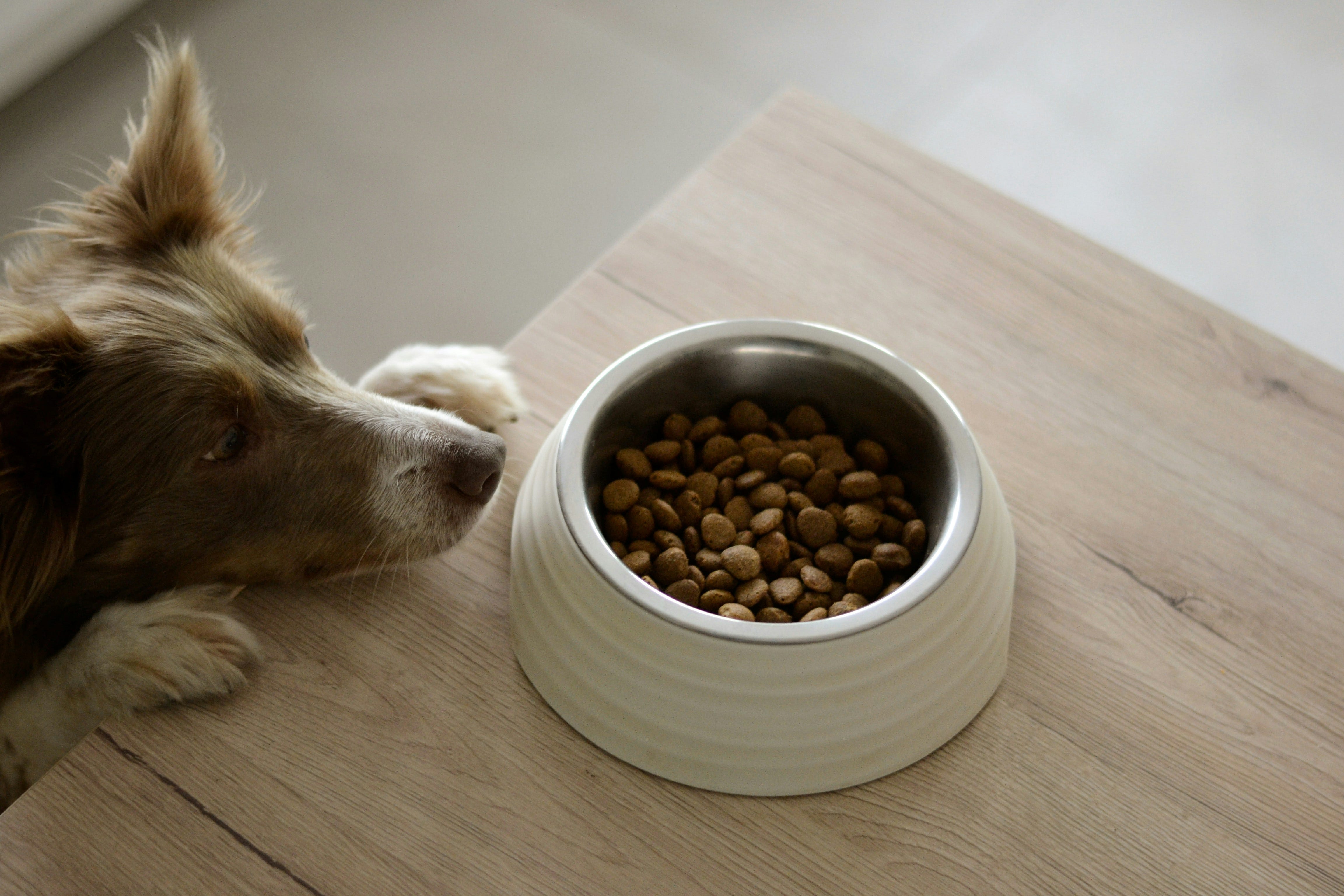
In the talk, he mentioned that most pet food bases are nutritionally similar. The differences are marginal.
Pets don’t compare labels or branding. Yet the market is full of differentiation: “grain-free”, “organic”, “human-grade”.
Why?
Because the product isn’t really competing at the level of the end consumer (the pet), but at the level of the buyer (the human).
Two different goals
In products like these, there are two distinct jobs:
1. The user job
Does the product work? Is it usable? Does it deliver value?
From our example above, does my cat actually eat it? Are there any problems after my dog eats the food? Do they leave food on the plate and stay visibly hungry?
2. The buyer job
Is this a safe decision? Can I trust this? Is this worth paying for?
From the pet owner’s perspective, are the ingredients trustworthy? Is it healthy? Can I feel good about feeding this to my pet?
These are not the same.
It is not only B2B, it’s everywhere
Employees use tools that their companies choose after comparing alternatives in the market, based on cost, security, and scalability.
But this is not only about B2B SaaS or enterprise software. Think about consumer products:
Kids use educational products that schools decide to pay for.
Babies play with toys that their parents choose after deciding what’s best for them.
Kids want what’s fun. But parents or caregivers buy what feels responsible.
That’s why toys are sold as “educational”, snacks as “healthy”, and apps are judged more on safety than engagement.
But does that mean your product should only convince the buyer?
Not quite.
Building for both
Good products explicitly design for both layers:
The experience layer for the user
The trust layer for the buyer
The experience layer needs to hold up after the purchase.
Coming back to the pet food example, you need to see basic engagement. Your pet eats the food and doesn’t have any health problems associated with it.
In pet food:
Taste, smell, satiety for the pet (user)
Ingredients, price, branding for the owner (buyer)
In software:
UX, convenience, engagement for the user
Security, ROI, compliance for the buyer
One product, two value propositions.
Where this balance can go wrong
One way this goes wrong is over-focusing on building the perfect product for the end user while giving buyers no reason to purchase.
User-first products
Loved by users, but struggle to monetize or sell. In other words: great UX, weak business case.
This usually happens when end users have little (or no) say in the purchase, or they aren’t the ones paying.
You design something students love, you even see strong engagement in interviews. But you haven’t given them a way to justify why it’s a safe choice, what educational value it adds, or why parents or schools should pay for it.
This is the same for any product where the users don’t directly have access to the budget. In those cases, you don’t have the luxury of focusing only on end users while ignoring everything else like value proposition or safety if you want your product to monetize.
Another way to fail is over-focusing on branding and persuasion for the buyer while offering little real value to the end user.
Buyer-first products
Easy to sell in the beginning, but poor retention. In other words: strong positioning and brand, weak user experience.
For example, in B2B, many enterprise tools get purchased because they check boxes like “good price”, “compliance”, “security”, and “vendor reputation”. But employees avoid using them because they are slow or frustrating. Over time, they start working around it instead of using it, which makes the solution more costly in the end.
On the consumer side, think about toys marketed as “educational” or “developmental”. Parents buy them, but kids quickly lose interest because they are not really fun.

So who is my customer?
When thinking about any product, I’d ask:
Who uses it?
Who pays (or is able to pay) for it?
Who ultimately decides?
If those aren’t the same person, you’re building one product that needs to satisfy different priorities.
Ipek, that pet food analogy is such a clear way to describe the friction we all feel when a project stalls.
We spend so much of our time obsessing over the experience—the "magic" moments for the user—only to realize we haven't answered the one question the person with the budget actually cares about: "Is this a safe bet?"
I’ve seen this happen a thousand times with new technology. We fall in love with the "User Job" (making something fast, creative, or fun) but we fail the "Buyer Job" (proving it’s reliable, secure, and worth the risk). In the AI era, this gap is where most products are currently failing. Users want the creativity of a generative engine, but the people making the buying decisions are terrified of the "black box." They aren't looking for delight; they're looking for predictability.
Our job as leaders is to bridge that gap. It’s not enough to articulate why a design is "good" for the user. We have to learn how to translate our intuition into a language that builds confidence for the person who has to say "yes."
If we can’t prove that the experience for the user actually creates value for the buyer, the best design in the world never leaves the shelf. Thanks for the reality check.